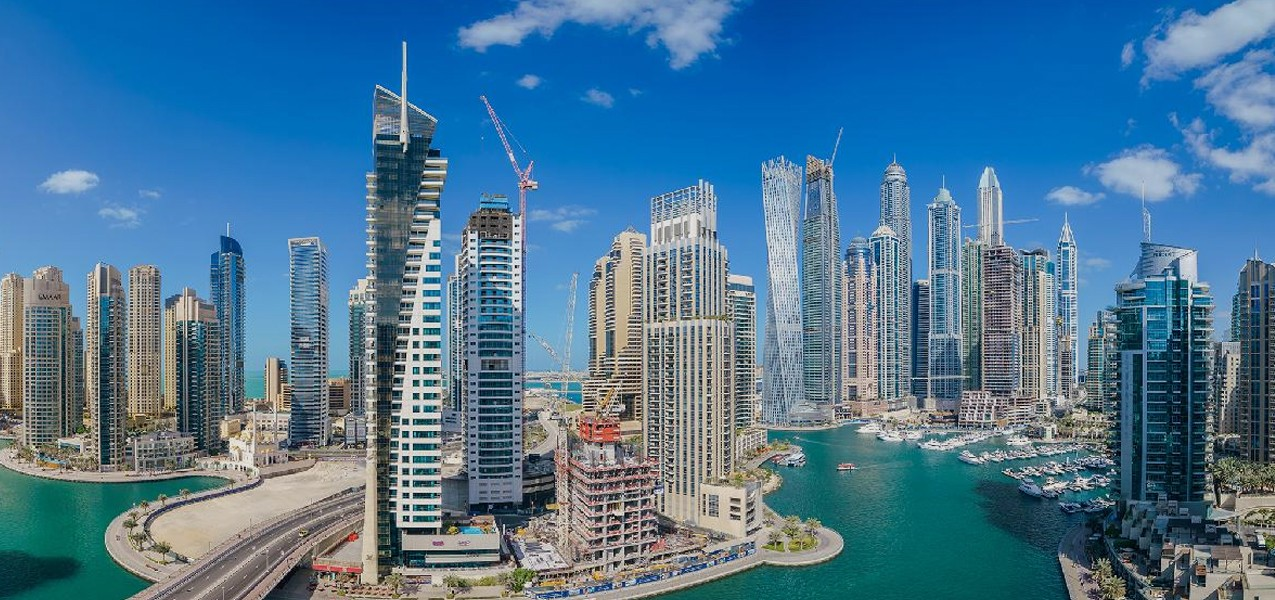
The UAE has become one of the world’s most attractive destinations for real estate investment—and for good reason. With tax-free income, strong ROI, modern infrastructure, and a stable economy, foreign investors find the UAE real estate market both safe and profitable. But if it’s your first time investing here, the process may seem confusing.
This step-by-step guide breaks everything down clearly, ensuring you know exactly what to do, what to expect, and how to make the right decisions as a foreign investor in the UAE.
Step 1: Understand Where Foreigners Can Buy Property
The UAE allows foreign investors to purchase property in designated freehold areas. These zones give you 100% ownership of the property and the land it stands on.
Popular Freehold Areas in Dubai
- Dubai Marina
- Downtown Dubai
- Business Bay
- Jumeirah Village Circle (JVC)
- Palm Jumeirah
- Dubai Hills Estate
Popular Freehold Areas in Abu Dhabi
- Saadiyat Island
- Yas Island
- Al Reem Island
- Masdar City
Understanding these areas helps you match your investment goals—capital gains, rental income, or long-term living.
Step 2: Decide Your Investment Goal
Before buying, identify why you’re investing:
Are you aiming for rental income?
Choose areas with high occupancy and strong tenant demand like Dubai Marina, JLT, or Downtown Dubai.
Looking for long-term appreciation?
Upcoming areas like Dubai Creek Harbour, Dubailand, and Saadiyat Island can offer strong capital growth.
Planning to live in the property?
Focus on communities with schools, parks, and family amenities.
Your goal will shape your budget, property type, and location.
Step 3: Understand Ready vs. Off-Plan Investment
Both options are great—but for different reasons.
Ready Properties
- Immediate rental income
- Physical inspection before buying
- Great for short-term ROI
Off-Plan Properties
- Lower entry prices
- Flexible payment plans
- Higher long-term capital appreciation
Foreign investors often prefer off-plan because of developer-friendly payment structures.
Step 4: Finalize Your Budget and Financing
The UAE has different rules for foreign buyers, especially when it comes to mortgages.
Cash Buyers
This is the easiest route—no banks and no extra mortgage approvals.
Mortgage Buyers
Foreigners can apply for a UAE mortgage if they meet certain income and eligibility requirements.
Typical mortgage rules include:
- Up to 75% LTV for first homes
- Up to 60% LTV for second homes
- Mortgage tenure: up to 25 years
Make sure to account for additional costs such as:
- DLD fees (Dubai): 4%
- Registration fees
- Agency fees
- Trustee fees
Having a clear financial plan ensures you stay within budget.
Step 5: Choose a Developer or Trusted Agent
The UAE market is filled with reputable developers like:
- Emaar
- Damac
- Aldar
- Nakheel
- Sobha
- Meraas
Working with a trusted real estate agent also helps you find the best deals, negotiate prices, and complete paperwork smoothly.
Always check:
- Developer’s track record
- Delivery history
- Community reviews
- ROI projections
Step 6: Reserve the Property (Booking)
Once you select your property, you’ll pay a booking amount, usually 5–20% of the price, depending on the project and developer.
You’ll submit:
- Passport copy
- Booking form
- Payment receipt
After booking, the developer issues your Sales Purchase Agreement (SPA).
Step 7: Sign the Sales Purchase Agreement
The SPA outlines:
- Total property price
- Payment plan
- Construction timeline
- Handover date
- Penalties and developer obligations
Read it carefully or get a legal consultant to review it. Once signed, your investment is legally secured.
Step 8: Register the Property
In Dubai, your off-plan property gets registered with Oqood, while ready properties are registered with the Dubai Land Department (DLD).
In Abu Dhabi, registration is done through the Department of Municipalities and Transport (DMT).
Registration fees are generally around 4% of the property value.
This ensures official government recognition of your ownership.
Step 9: Make Payments According to the Plan
For off-plan properties, payments are linked to construction milestones.
For ready properties, you’ll make a one-time final payment at transfer.
Always ensure payments go through:
- Escrow accounts
- Official developer channels
This keeps your investment safe and compliant.
Step 10: Property Handover (Off-Plan) or Transfer (Ready)
For Off-Plan
When construction is completed, you receive:
- Handover notice
- Keys
- Access card
- Snagging report (list of issues to fix)
For Ready Property
A transfer appointment is held at the trustee office, where the title deed is issued in your name.
After this, you officially own the property.
Step 11: Decide the Next Step — Rent, Live, or Resell
Once you own the property, you can choose your strategy:
Rent it out
Great for earning 6–9% annual returns.
Live in it
Enjoy tax-free living in one of the world’s safest and most modern cities.
Sell for profit
Many off-plan investors resell before or after handover at significant capital gains.
Final Words
Investing in UAE real estate as a foreigner is straightforward, profitable, and safe—as long as you follow the proper steps. With clear regulations, world-class developers, and one of the strongest property markets globally, the UAE offers one of the best investment environments for international buyers.
Whether your goal is rental income, long-term appreciation, or a secure future home, the UAE provides endless opportunities. Take your time, research wisely, and choose the right property—and your investment can deliver outstanding returns for years to come.